4-Year Undergraduate Programme

Bachelor's Programme in Robotics & AI

Graduate having built, deployed, and maintained 4 real robots, not simulated them. A 4-year UG programme measured in working machines.

Experience the 4 Years
Programme details

Format

Full-Time; Opt-in Residential

Eligibility

Class XII with Maths & Physics

Commencement date

Aug ‘27

Duration

4 Years (incl. 1 Year Industry Training)

The idea

You don't just graduate with a degree. You graduate with a robot.

On Day 1, you're assigned a robot chassis. Every course you take becomes a part, a sensor, or a skill it acquires. By Year 4, it works a real job, and so do you.

Your build · 4 evolutions

It moves

It touches

It thinks

It works

Y1

Y2

Y3

Y4

The same robot. Grown up.

/ 01a — What you build, year by year

Four machines shipped before you graduate

Philosophy: Learn by doing, from programming the robot to building a real robot running unsupervised at a real company.

It moves: The RoverIt moves: The Rover
Year 101

It moves: The Rover

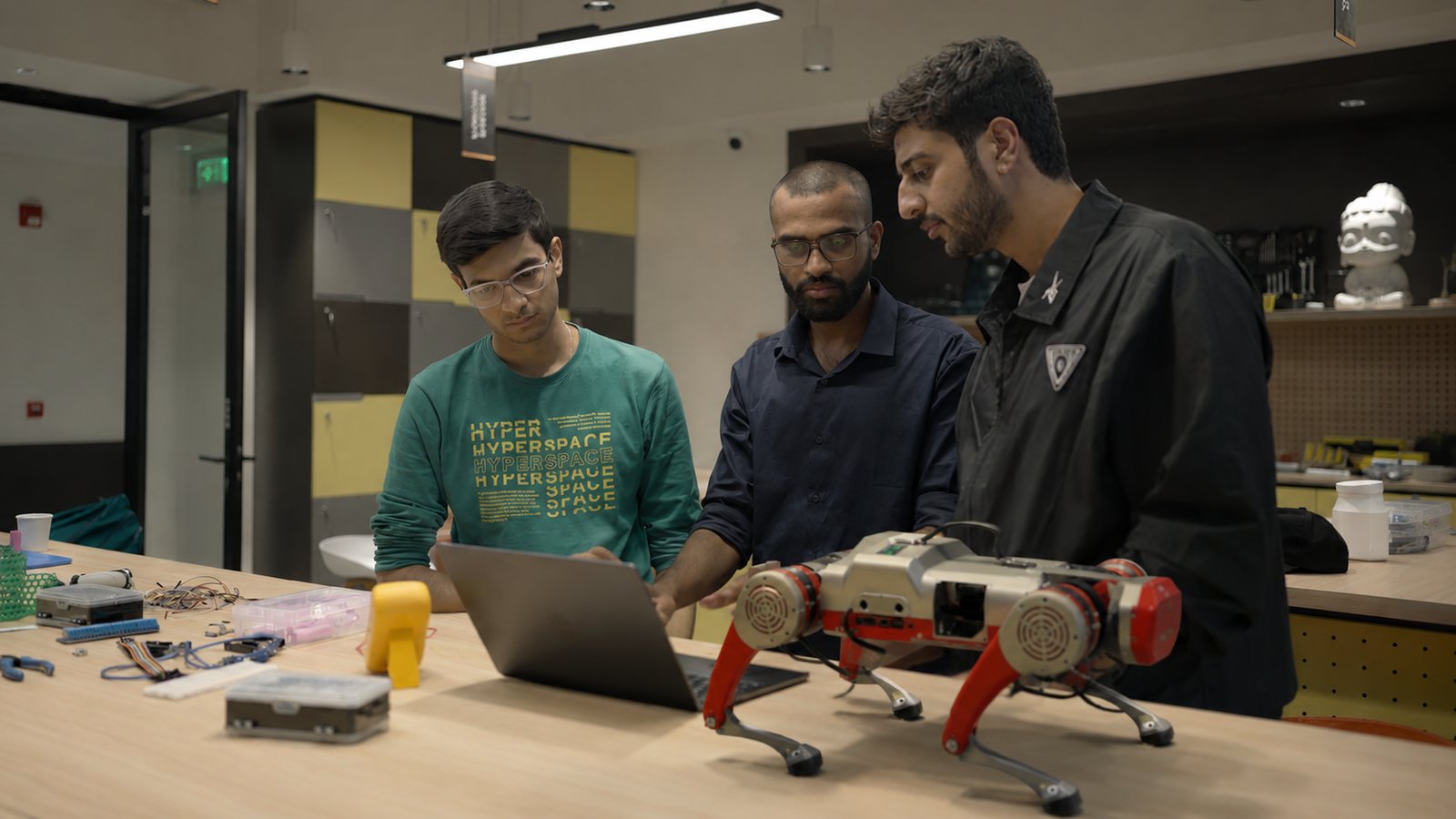
Program robots to run themselves: machines that drive and move on your command.

What you ship

  • Program a wheeled robot to navigate a course, dodge obstacles, and find its way back to the start
  • Program a quadruped to patrol a space and find its way around obstacles on its own
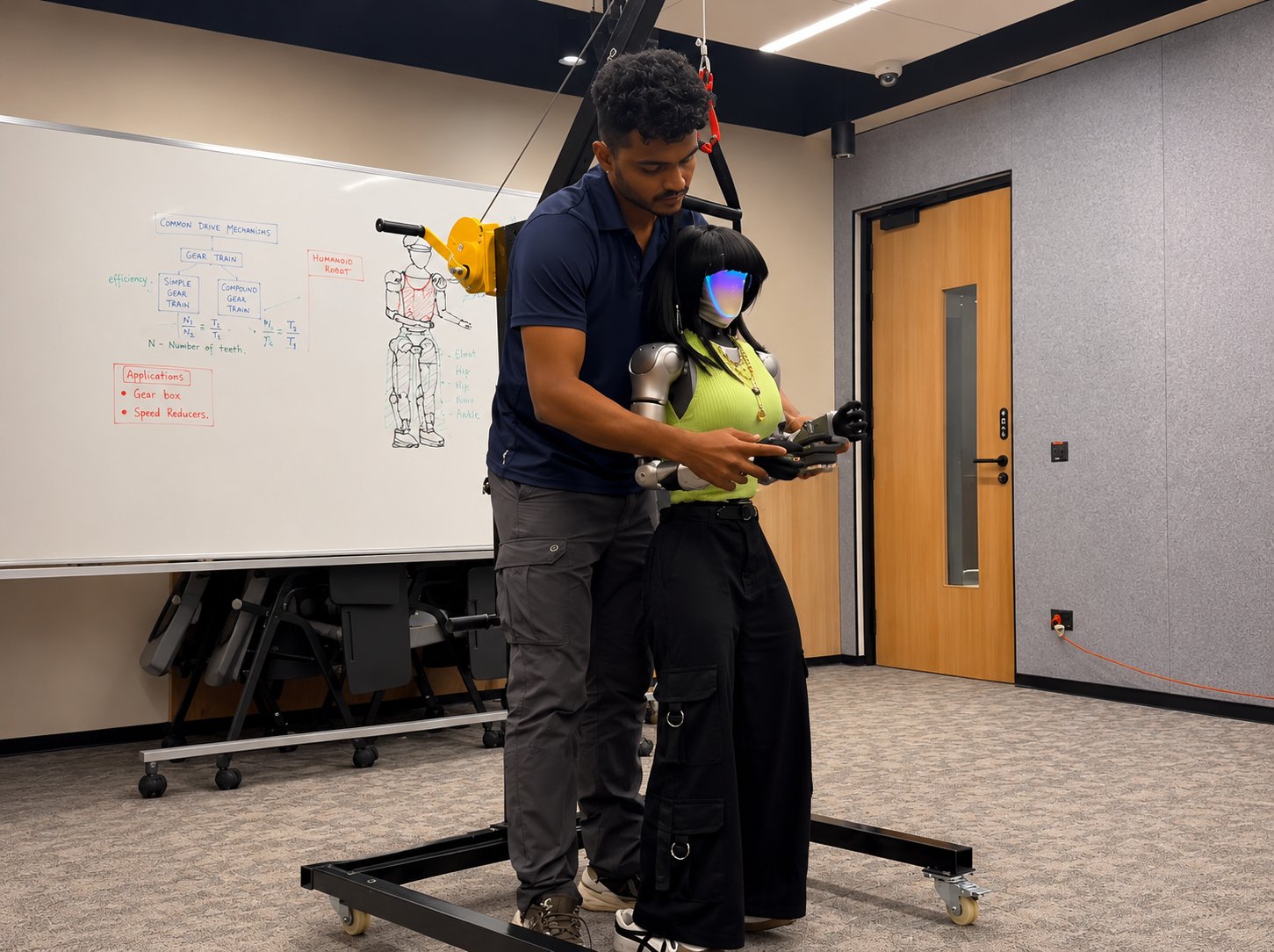
  • Get a humanoid to spot a person in a room and follow them wherever they go

Takeaway

You end the year having made robots move on your command.
It touches: The Manipulator
Year 202

It touches: The Manipulator

Give the robot an arm and make it handle the physical world: seeing objects, gripping them, and placing them without dropping or crushing.

What you ship

  • Build a robotic arm that sorts a pile of mixed objects into the right bins, faster than a human would
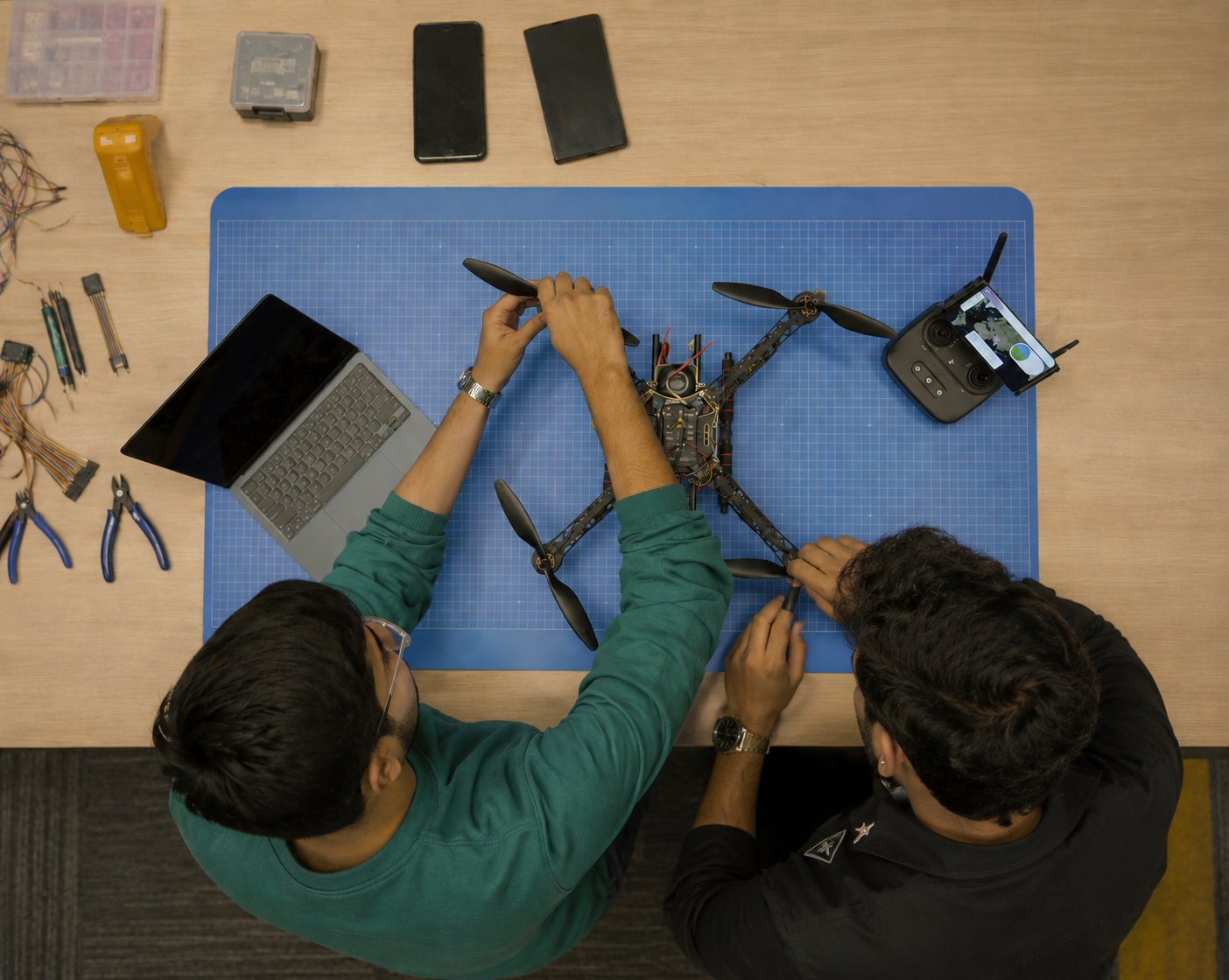
  • Fly a drone that grabs an object and drops it at the target location
  • Tune the gripper to hold something fragile like an egg or a glass, firmly enough to move it, gently enough not to crush it

Takeaway

Your machine can now move and grip objects.

It thinks: The Navigator
Year 303

It thinks: The Navigator

Build a full mobile robot end to end, give it judgment, and send it into a space no one has mapped: it works out for itself where it is.

What you ship

  • Build a complete autonomous mobile robot from the ground up
  • Deploy a robot that maps an unfamiliar space using onboard cameras and sensors, and locates itself inside it without GPS
  • Build a robot that looks through a camera, reads the scene, and acts on what you tell it

Takeaway

Your robot now thinks for itself in a place nobody mapped for it. It's ready for real work.

It works: The ProfessionalIt works: The Professional
Year 404

It works: The Professional

Deploy your robot into a real company's live operation and graduate on the hours it runs with you nowhere near it.

What you ship

  • Pick a career for your robot: factory floor, warehouse, home, farm, or your own startup
  • Scope the problem your robot will solve on a partner's floor and deploy it into their live operation
  • Graduate on results: present what your robot learned, how safely it ran, and how little it needed you

Takeaway

You graduate with your robot, and walk it across the stage for the graduation ceremony.

/ 02 — Infrastructure
5,000 sq ft
Makers Lab

Ship robots and prototypes every term inside a 5,000 sq ft Makers Lab.

1:1
Founders & CTOs

Get 1:1 mentorship from Founders and CTOs actually running robotics companies.

50+
Research labs

Benchmark your work against 50+ real robotics research labs through industry immersions.

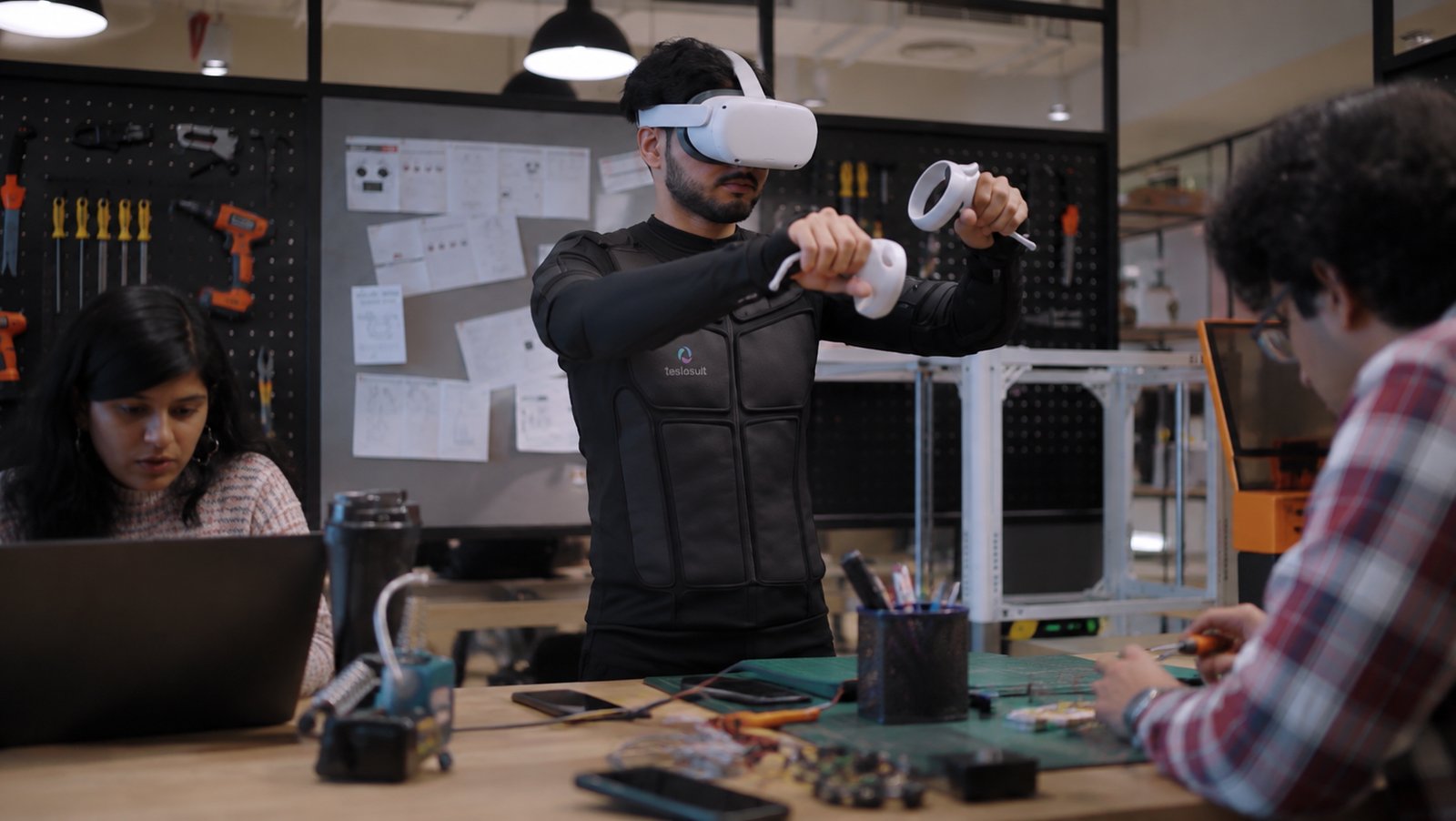
Makers Lab

5,000 sq ft of machines, mess and making

The Masters’ Union Makers Lab is a hands-on maker space and prototyping hub with AI, robotics, electronics and 3D printing under one roof. Students take a conceptual business or tech idea and walk out with a physical, working model.

  • AI
  • Robotics
  • Electronics
  • 3D printing

Off-campus

You learn while having fun

You learn robotics by building it with your friends while having fun. A few moments from off-campus.

Build nights01
Field testing02
Demo day03
Off-campus04
/ 03 — Curriculum

The four-year build line, watch it grow

Four evolutions. Each one unlocks new hardware, new intelligence, new courses, new internships, and a public demo where your robot must perform.

Evolution 1 · The RoverStatus: it moves

Capability unlocked → drives, avoids obstacles, follows a line, obeys your code

You machine the chassis, solder the boards, write your first C and Python, and make physics do what you tell it. Your rover is crude, loud, and entirely yours.

Courses that build it

Terms 1–2

  • Engineering Mathematics for MachinesCORE
  • Circuits, Electronics & PCB DesignLAB
  • CAD, 3D Printing & Digital FabricationLAB
  • Programming in C & PythonCORE
  • Sensors, Signals & ActuatorsLAB

Intern from Year 1

Drone startupsEV workshopsIoT hardware firms
01
Demo 01
Deployment milestone

The Corridor Grand Prix, your rover races the cohort through a live obstacle circuit, in front of recruiters.

Year 4 specialisations

Choose your robot's destiny

Every track ends the same way: a working machine with a job, and a graduate with offers.

Track A

Industrial Cobot

Welding, inspection, assembly. Your robot works a manufacturing line beside human operators, and must earn their trust.

Deploy at

auto & electronics plants, precision manufacturing

Track B

Home & Care Robot

Companionship, eldercare assistance, household tasks. The hardest environment in robotics: someone's living room.

Deploy at

consumer robotics firms, assisted-living pilots

Track C

Logistics AMR

Autonomous mobile robots that pick, carry, and sort in fulfilment centres running 22 hours a day.

Deploy at

warehouse automation & e-commerce fulfilment

Track D

Field & Agri Robot

Crop monitoring, spraying, harvesting. Robots that survive dust, heat and monsoon, built for Indian farms.

Deploy at

agritech ventures, drone-services companies

Track E

Defence & Inspection

Surveillance, hazardous inspection, disaster response. Machines that go where people shouldn't have to.

Deploy at

drone & defence-tech manufacturers, energy infra

Track F

Your Startup

Convinced your robot is a company? The Venture Track pairs you with MU Ventures to incubate, fund and launch it.

Deploy at

your own cap table

/ 05 — Immersions

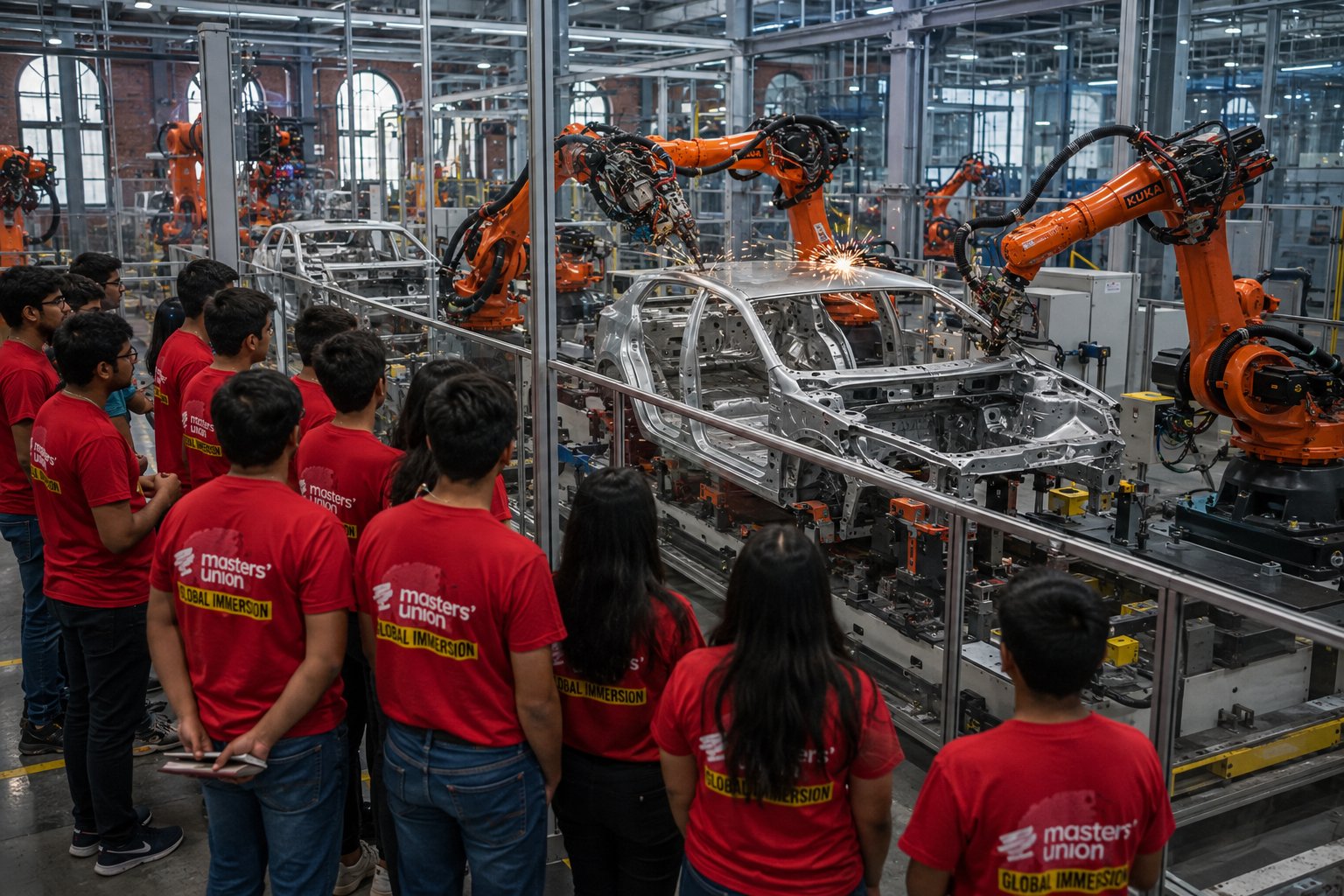
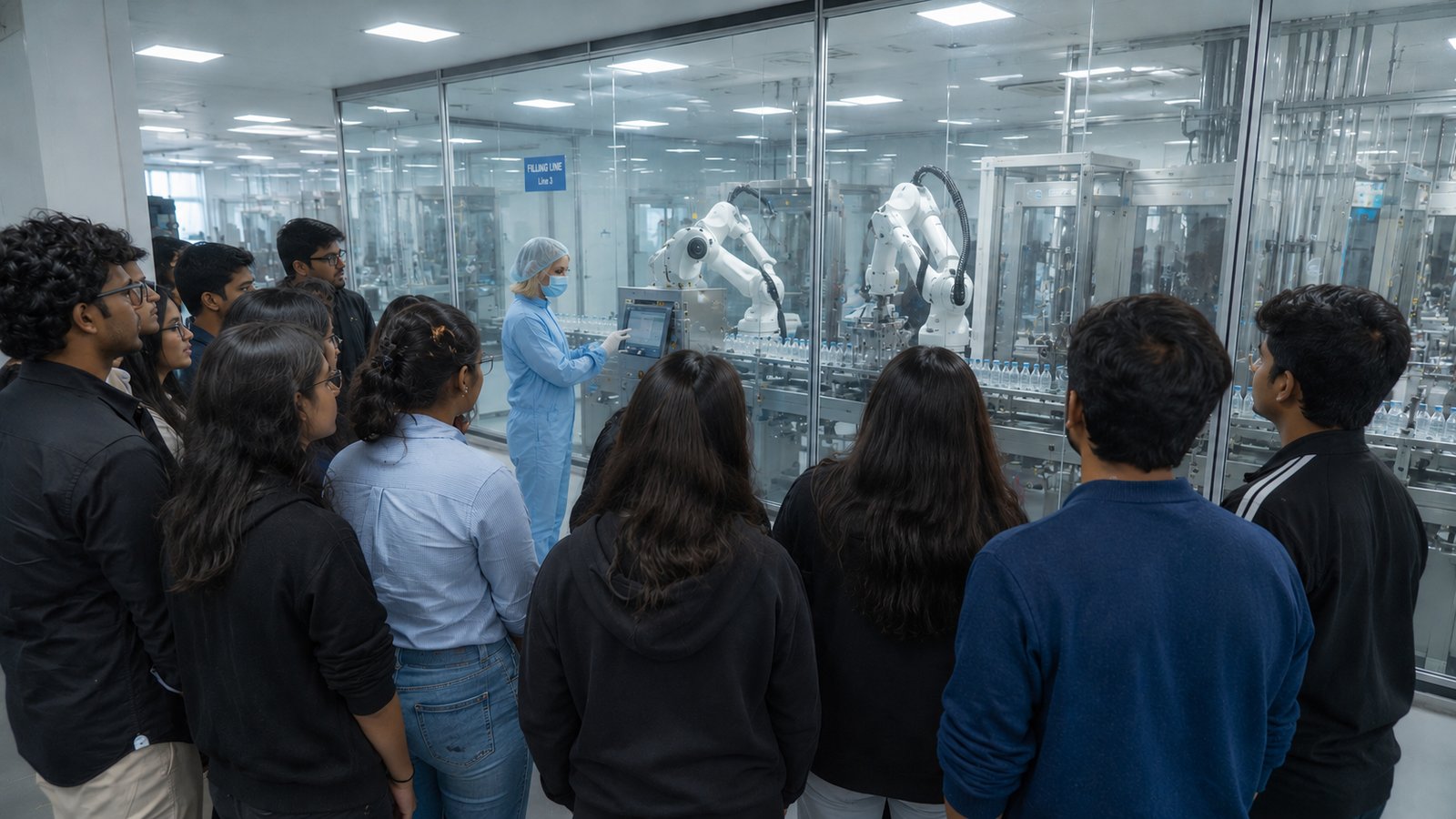
Visit the factories, shop floors and HQs of India's biggest robotics companies

Explore how perception, motion planning and control power robots in the real world, then come back and close the gap on your own machine.

New-age robotics

Inside the companies building it

6-8 weeks

You go inside India's new-age robotics companies, drones, humanoids, autonomous delivery, warehouse swarms. You work alongside the engineering teams on a real part of a live system, and leave knowing how a robotics company actually ships.

Where it could happen

AddverbGreyOrangeOttonomyideaForgeGaruda AerospaceUnbox RoboticsDTDCDelhiveryHop Electric

Outcome

You've worked inside a robotics company and contributed to a robot that ships.

Immersion story · Addverb

Guest

Satish Shukla

Company

Addverb

Format

Long-form podcast

Founder conversation

From 0 to ₹600 crore robotics company

“The hard part was never the robot. It was the two customers who said yes before anyone else believed.”
Satish Shukla · Co-founder & CMO, Addverb
  • The pivot

    HR at Asian Paints to robotics founder

  • First customers

    Winning deals with no track record

  • Deep-tech economics

    Funding a capital-heavy business

  • Going global

    Competing from an Indian factory floor

/ 04a — Global exposure

Global immersions and a semester abroad pathway

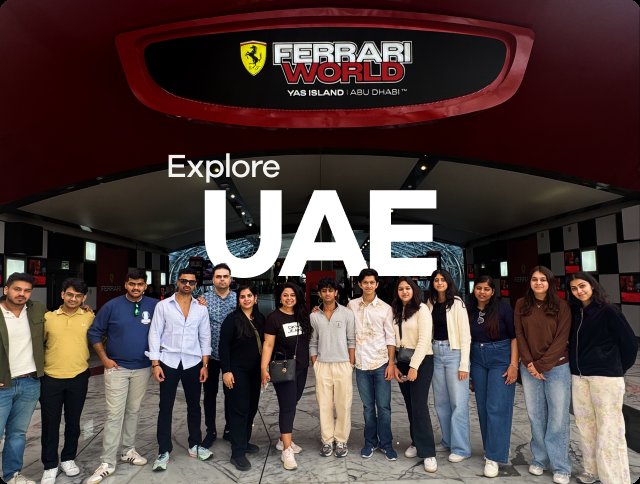
Global Immersions1-2 Weeks

Global Immersions

Experience how leading companies are using AI, machine learning, and digital systems to build and scale across geographies.

Where you go

JapanEuropeSingaporeUAESouth Korea
Semester Abroad & Dual Degree PathwaySemester / Summer

Semester Abroad & Dual Degree Pathway

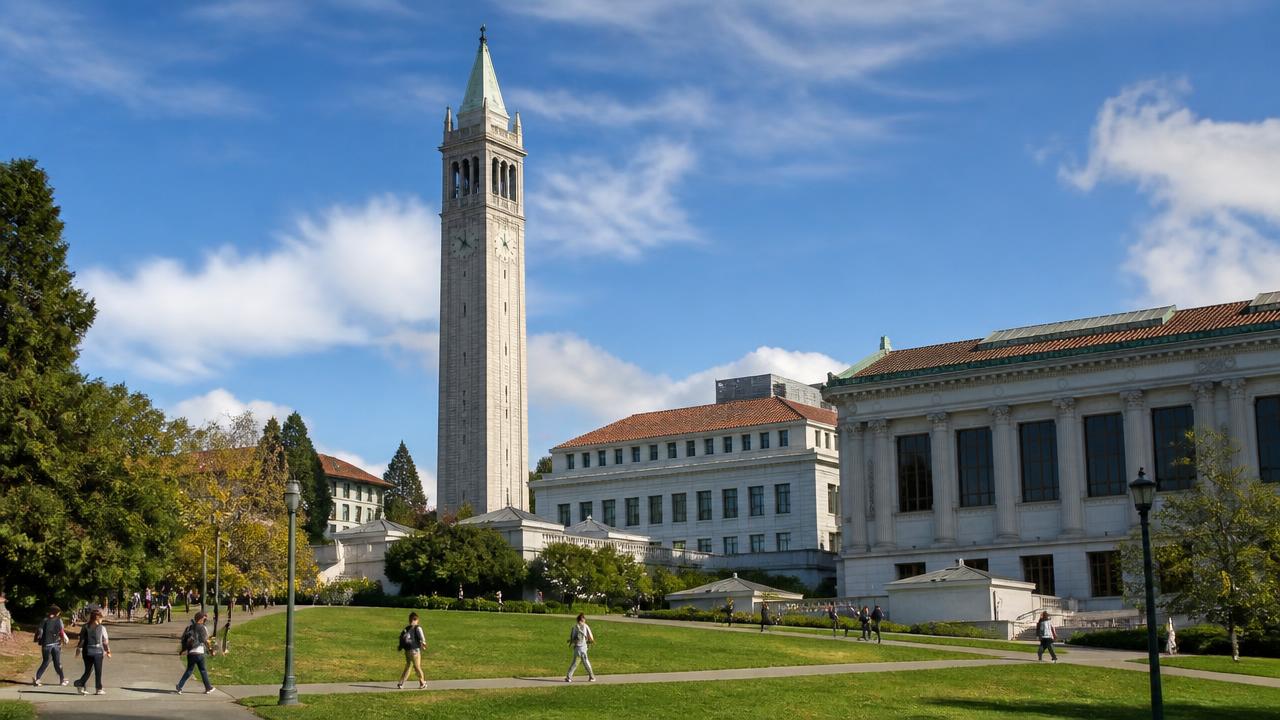
Spend a summer or semester abroad at prestigious global institutions like UC Berkeley, Imperial College, NUS, and Griffith University, to name a few.

Partner institutions

UC BerkeleyImperial CollegeNUSGriffith University
/ 05 — Admissions

Enrolment and Extracurricular Admissions Criteria

Academics01

Academics

Class X & XII Marks (Expected/Final) from one of the recognised boards including CBSE, ISC, IB, IGCSE etc. Students having Maths and Physics in Class XII are eligible for the programme.

Aptitude Score02

Aptitude Score

Applicants can either provide their JEE Scores (Session 1 or Session 2), take our aptitude test (MUSAT) or submit their SAT scores.

Extracurricular03

Extracurricular

Applications would be evaluated for extracurricular achievements and projects.

Communication & Creativity04

Communication & Creativity

We will assess these qualities through your application responses and the video essay.

/ 05a — Ideal applicant

Who Is an Ideal Candidate?

This programme is built for students who learn by building, and who are drawn to robotics and AI not as subjects to study, but as systems to make work.

You are a strong fit if you

  • Prefer building to theorising. You reach for a prototype early and refine it through iteration, rather than perfecting it on paper first.
  • Follow the field closely. New models, hardware, and research genuinely interest you, and you want to work with them directly, not just read about them.
  • Care about real-world outcomes. A working demo isn't the finish line for you; you want the system to run reliably, on its own, outside the lab.
  • Treat setbacks as information. You're comfortable with things that break, because debugging is where the real understanding is built.
/ 05b — Timeline

Application Timeline & Process

/ Application Timeline
RoundEarly Round
Dates24th July ‘26 - 30th Sept ‘26
Online Scholarship TestAug/Sept ‘26
ResultsAug/Sept ‘26
Application FeesINR 500/-
StatusActive
CommencementAug ‘27
/ 05c — Selection process

How selection works

01

Complete the Application

Essential Documents

  • School Marksheets of Class X and XI
  • 12th grade passing certificate for students graduating in either year 2025, 2026, or 2027
  • JEE (Session 1 or Session 2) / SAT scores (If you do not have these scores, you can take Masters' Union Aptitude Test - MUSAT)
02

Complete the Video Essay

About the Video Essay

  • Once you submit the online application and pay the application fees, you will have to submit a short 2-minute video essay describing your interest in technology and any past experiences in building an application/internship etc. within 3 days.
  • Your video should be uploaded to Google Drive and shared in part 2 of your application form, set to “Anyone with the link can view”.
  • Video length: no longer than two minutes.
  • Hobbies: pick interesting, unique points that make you memorable for the admissions committee.
03

Submit Your Test Scores

Eligible Competitive Exams

  • After completing the video application, students will receive a form to submit their JEE Advanced admit card/SAT results or take the Masters’ Union Scholarship Aptitude Test (MUSAT).
  • Students taking the MUSAT will have a 7-day window to complete it, with one attempt at the main test and access to a practice test beforehand.
  • Preparation materials and a student-led test strategy breakdown are shared with shortlisted applicants.
04

Admission Evaluation

Status of Evaluation

  • Accepted: applicants offered admission receive their decision along with the financial structure, and have 7-21 days to confirm through payment of the admission fee.
  • Rejected: applicants rejected by the admissions team can apply to the programme again in the next academic year.
  • Waitlisted: Masters’ Union doesn’t maintain a ranked waitlist. Admission depends on spots that become available; the committee reconvenes regularly to promote candidates.
/ 05d — Fee

Fees, Scholarships & Financing

Scholarships of 25%, 50% and 80% on tuition are awarded on JEE, SAT or MUSAT performance. Loans of up to 95% of programme fees are available through partner institutions.

Admission fee

INR 1,80,000/-

One-time, non-refundable

4-year tuition fees

INR 52,50,000/-

Before scholarship

Scholarship slabs on tuition

25%You pay

INR 39,37,500/-

JEE 90%ile+ / SAT 1500+ / MUSAT 35+

50%You pay

INR 26,25,000/-

JEE 95%ile+ / SAT 1550+ / MUSAT 40+

80%You pay

INR 10,50,000/-

JEE 99%ile+ / SAT 1590+ / MUSAT 43+

Hostel is charged separately. Loans cover up to 95% of programme fees.

Admissions 2027 · Cohort of 60

Four years from now, two of you walk across the stage. Build the other one.

Admission via MUSAT + interview. JEE, SAT and CUET scores accepted. No prior robotics experience required, only the itch to make something move.